
.svg)
How Much Does a Google Ads Agency Cost?


Factors such as ad spend, account complexity, feed management requirements, strategic support, and growth objectives all influence what businesses should expect to pay.
Google Ads agency pricing is far from standardised. In this guide, we'll break down the typical cost of hiring a Google Ads agency, what affects pricing, and how to evaluate agency fees for your business.
How Much Does a Google Ads Agency Cost? Quick Breakdown
Google Ads agency fees vary based on your location, ad spend, business size, and account complexity. However, the ranges below reflect what businesses typically pay for professional Google Ads management.
These benchmarks provide a useful starting point, but they rarely tell the full story. The real question is not how much an agency costs, but whether it delivers greater value than the alternatives, including building and managing an in-house PPC team.
Which Pricing Model Is Best for eCommerce Brands?
There is no universal pricing model that works for every eCommerce business. The right structure depends on your growth stage, advertising budget, and the level of support you require. Most Google Ads agencies operate under one of three pricing models.
Fixed Monthly Retainer
With a retainer model, you pay a fixed management fee each month regardless of ad spend. The main advantage is predictability. Your agency costs remain consistent, making budgeting and forecasting easier. The downside is that the fee remains the same even if your advertising spend decreases significantly during quieter periods.
Percentage of Ad Spend
Under this model, agency fees are calculated as a percentage of your monthly advertising spend. This structure naturally scales alongside your budget. As accounts grow, agencies typically need to analyse more data, manage more variables, and make more frequent optimisation decisions to maintain profitable growth.
However, businesses should be careful not to reward spend growth at the expense of profitability. For larger accounts, some agencies use tiered pricing structures where the percentage decreases as ad spend increases. For example, an agency may charge 15% on the first $20,000 of monthly ad spend and 10% on any spend above that threshold. This can help prevent management fees from growing disproportionately as the account scales.
Hybrid Pricing
A hybrid model combines a fixed monthly retainer with a performance-based component. Many established eCommerce brands prefer this structure because it provides predictable account management while creating a stronger connection between agency compensation and business performance as the account grows.
Ultimately, the best pricing model is one that encourages both sides to focus on the same outcome: sustainable, profitable growth. Rather than focusing solely on fee structures, evaluate whether the agency can consistently drive profitable growth as your business scales.
Why Google Ads Agency Pricing Varies So Much
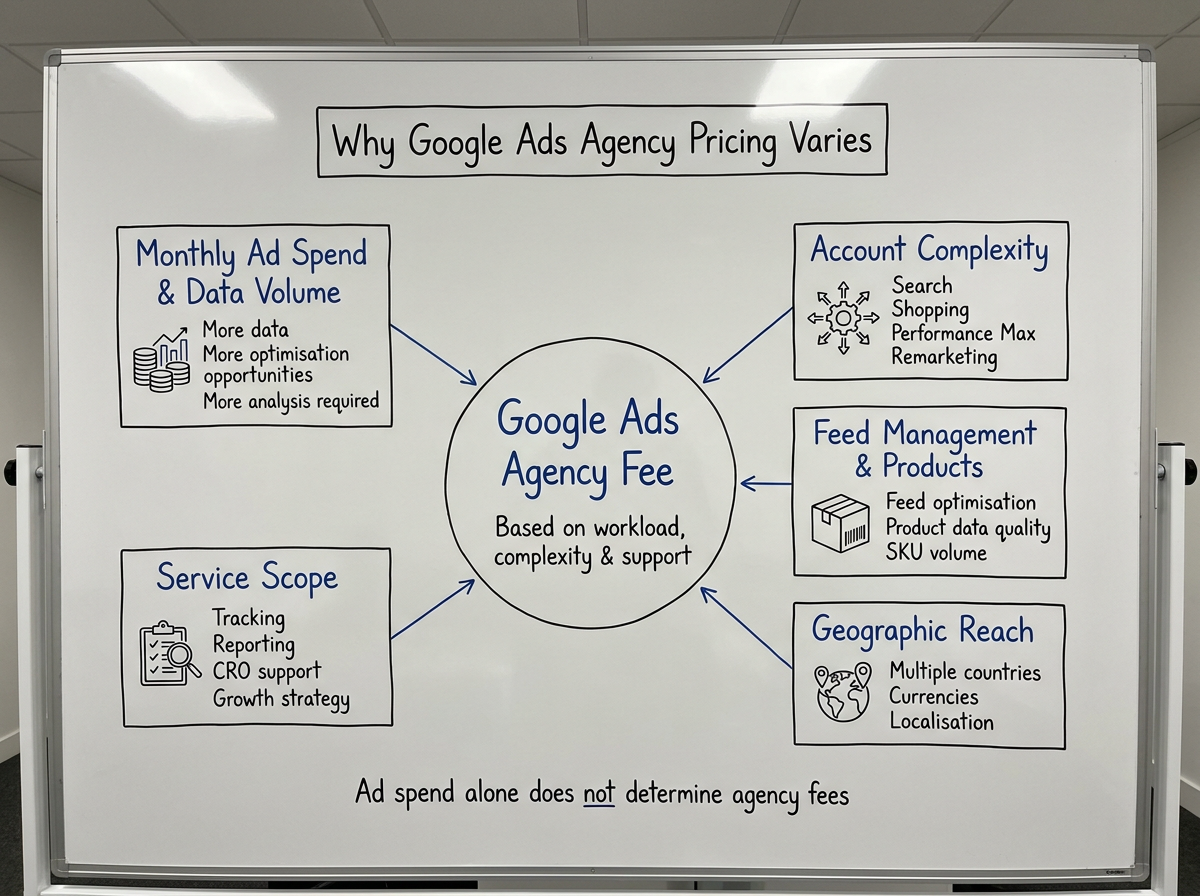
Two businesses can spend the exact same amount on Google Ads and receive completely different agency quotes. This often surprises business owners who assume agency pricing is tied directly to ad spend. But agency pricing is rarely determined by ad spend alone. It is determined by the workload and technical complexity required to get that spend turning a profit.
Monthly Ad Spend & Data Volume
In most cases, higher ad spend generates more data, which creates more opportunities for optimisation. An account spending $5,000 per month may generate a handful of conversions each day. An account spending $100,000 per month can generate hundreds. More data means more search terms to analyse, more bidding decisions to make, and more performance trends to monitor.
For this reason, ad spend is often one of the biggest factors influencing agency fees. Larger budgets typically require more frequent analysis, testing, and strategic decision-making to maintain performance as the account grows.
Account Complexity & Feed Management
Not all Google Ads accounts are built the same. While every business is different, eCommerce accounts often require significantly more ongoing management due to the combination of Search, Shopping, Performance Max, remarketing campaigns, and product feed maintenance.
For eCommerce brands, product feed management is often a major factor influencing agency fees. Maintaining feed health, resolving disapprovals, optimising product data, and improving Shopping visibility requires ongoing work that extends well beyond campaign management alone.
Number of Products
The size of your catalogue can have a direct impact on the amount of work required to manage your account effectively. A store with 50 products presents a very different challenge to a retailer with 10,000 SKUs.
Larger catalogues typically require more segmentation, feed optimisation, product exclusions, performance analysis, and ongoing maintenance to ensure advertising spend is allocated efficiently across the product range.
Geographic Reach & Multi-Currency Settings
Advertising in a single market is usually far simpler than managing campaigns across multiple countries. International expansion often means managing multiple currencies, localised campaigns, different pricing structures, and varying customer behaviour across markets. The more markets involved, the more strategic planning and account management are generally needed.
Service Scope
Agency pricing is heavily influenced by what is actually included. Some agencies focus solely on campaign management. Others provide additional services, such as conversion tracking, feed optimisation, landing page optimisation and recommendations, conversion rate optimisation, tailored reporting, creative guidance, and ongoing growth strategy.
When comparing proposals, it is important to look beyond the monthly fee and understand exactly what services are included. Two agencies may charge similar fees while delivering very different levels of support.
What Should Be Included in a Google Ads Agency Fee?
If you are comparing two similar agency proposals, the real difference often comes down to what is actually included in the scope of work. For an eCommerce brand looking to scale, a comprehensive Google Ads management service should generally include two distinct layers of support: operational execution and strategic growth support.
The Operational Baseline
This is the day-to-day work required to keep campaigns running efficiently and maintain account performance. At a minimum, this typically includes:
- Keyword research and query management
- Ongoing management and optimisation of Search, Shopping, Performance Max, and remarketing campaigns
- Budget management and bid optimisation
- Ad copy and asset testing
- Merchant Center monitoring and maintenance
- Product feed health checks and issue resolution
- Performance reporting and account reviews
The Strategic Value
This is where agencies tend to differentiate themselves. Rather than simply managing campaigns, strategic partners focus on helping businesses improve efficiency, increase market share, and support long-term growth objectives. This may include:
- Advanced product feed optimisation, segmentation, and management
- Landing page development and conversion-focused funnel creation
- Testing additional Google growth channels, such as YouTube, Discover, and Demand Gen campaigns
- Creative strategy, ad production, and ongoing asset testing supported by dedicated creative specialists
- SEO support from in-house specialists to strengthen category, product, and informational page visibility
- Advanced tracking, attribution, and data quality improvements
- Budget allocation based on inventory, margins, and product performance
The strongest Google Ads agencies increasingly operate as growth partners. They help brands improve the entire acquisition journey, combining media buying with landing pages, creative production, feed optimisation, measurement, SEO expertise, and channel expansion opportunities such as YouTube and Demand Gen.
Why Scope Matters More Than Price
When comparing agency fees, it is important to evaluate the scope of work behind the proposal. Two agencies may charge similar monthly fees while providing very different levels of support. Likewise, a lower-cost proposal may exclude strategic services that can have a significant impact on long-term performance.
Final Thoughts: How to Evaluate Agency Fees Without Hurting Your Margins
The biggest mistake businesses make when comparing Google Ads agencies is focusing exclusively on the management fee. In reality, the fee is only one part of the equation. The level of strategic support, account complexity, reporting, feed management, tracking infrastructure, and growth planning all influence the value an agency can provide.
A lower-cost proposal is not automatically a better deal, just as a higher-priced agency is not automatically the better choice. The goal is to understand exactly what services are included, how the agency approaches growth, and whether their expertise aligns with your business objectives.
Ultimately, the right Google Ads agency should create significantly more value than it costs. When that happens, the management fee becomes a business investment rather than an operating expense.

Ready To Start Scaling Today?
Scaling Your Favorite eCommerce Brands To The Highest Levels Through Google & YouTube Ads.

.svg)
Get Smarter About How To Scale Your Brand...
Discover Insider Knowledge On How We Scale Brands From 7 Figures All The Way Up To 8-9 Figures With Google Ads.
.svg)
.svg)
"The best Google ads agency there is. You only need to look at the quality of clients and the reviews to understand Jackson and his team are the real deal."

"One of the best in the agency space, great service and exceptional results. Since signing on with Jackson he has become one of our greatest assets when scaling."

"Top tier team & service delivery. Jackson is relentless when it comes to fulfilment & client needs. His attention to detail during the onboarding process ensured exponential results for my coaching business. If you're looking to elevate your ad results & learn a tone of new options/skills that can be implemented to drive more sales to your business then I'd strongly recommend Echelonn."

"From the very first conversation with Jackson and his team, it was clear that we had found a Google Ads agency that prioritises results above all else. Their collaboration between data-driven experts and a skilled copywriter creates a dynamic duo for Google advertising success..."

"Been working with them for 9 months and it's been a great experience. Jackson and his team know what they are doing and always goes above and beyond. If you're looking for a reliable Google ads agency this is the one."

"The best Google ads agency there is. You only need to look at the quality of clients and the reviews to understand Jackson and his team are the real deal."
"One of the best in the agency space, great service and exceptional results. Since signing on with Jackson he has become one of our greatest assets when scaling."
"Top tier team & service delivery. Jackson is relentless when it comes to fulfilment & client needs. His attention to detail during the onboarding process ensured exponential results for my coaching business. If you're looking to elevate your ad results & learn a tone of new options/skills that can be implemented to drive more sales to your business then I'd strongly recommend Echelonn."
"From the very first conversation with Jackson and his team, it was clear that we had found a Google Ads agency that prioritises results above all else. Their collaboration between data-driven experts and a skilled copywriter creates a dynamic duo for Google advertising success..."
"Been working with them for 9 months and it's been a great experience. Jackson and his team know what they are doing and always goes above and beyond. If you're looking for a reliable Google ads agency this is the one."
More Articles Like This.
Find answers to common queries about our services and how we can help you.
.svg)
How To Rank Your Google Shopping Ads Multiple Times
Why Your Google Ads Scale Breaks After $X Per Day
How to Tell if Your Google Ads Agency Is Underperforming
Why Your Performance Max Campaign Gets Clicks but No Sales
.png)
Why Your Google Ads Budget Isn't Spending (And How to Fix It)

The Right Way to Run Google Dynamic Search Ads
How to Get New Customers With Google Ads in 2026
Why Your Google Ads CPA Keeps Increasing and How to Reduce It
What Is a Good ROAS for eCommerce Businesses?
How to Set Up Google Ads Conversion Tracking the Right Way
How Much Does a Google Ads Agency Cost?
Why Your Google Ads Are Not Converting
.png)
Average CPC in Google Ads by Industry (And What It Means for Your Strategy)
Performance Max vs. Shopping Campaigns: Which One is Better?

Why Your Google Shopping Ads Get Impressions But No Clicks (Image Optimization Guide)
Why Your Google Ads Are Not Showing

YouTube Ads Targeting Framework That's Driven $10M+ for eCommerce Brands

What Professional Google Shopping Ads Management Looks Like
How Much Do Google Ads Cost in 2026?

Should Your Business Use Google Search Ads or Performance Max?

Performance Max Best Practices for Sustainable Growth
.png)
Google Shopping Ads Audience Targeting: What Actually Impacts Performance
.png)
How to Write Google Search Ads That Actually Convert
.png)
6 Google Shopping Feed Best Practices That Drive Better ROAS
%20(1).png)
How to Get Your Products Recommended by AI (ChatGPT, Google AI & More)
.png)
Common Google Ads Myths That Cost Businesses Money
.png)
7 Benefits of Google Shopping Ads for Your eCommerce Business
.png)
How to Switch Google Ads Agency Without Losing Performance or Data
.png)
Demand Capture vs Demand Generation: Where Google Ads Fits
.png)
How to Prepare Your Business for Working With a Google Ads Agency

How to Avoid Wasting Budget on the Wrong Searches With Google Ads Keyword Match Types
Google Ads Account Ownership: What Businesses Should Know Before Hiring an Agency
.png)
Landing Page Optimization Strategies That Increase Conversions
SEO and Google Ads: How Search Engine Optimization and Paid Search Work Together
Types of Remarketing in Google Ads: How Each One Works and When to Use It
Google Ads Keyword Research: How to Find Keywords That Actually Convert
.png)
What Is Google Performance Max and How Does It Work?
.png)
How Advertorials Support High-Intent Google Ads Funnels
%20(Canva%20Template).png)
How Audience Targeting Works in Google Search Ads (and When to Use It)

Google Ads for New Brands: What to Know Before Spending Your First Dollar
.png)
What Is a PPC Agency – and When It Makes Sense to Hire One
.png)
How to Improve Your Google Ads Conversion Rate

.png)
The Right Way to Link Shopify and Google Ads for Scalable Growth
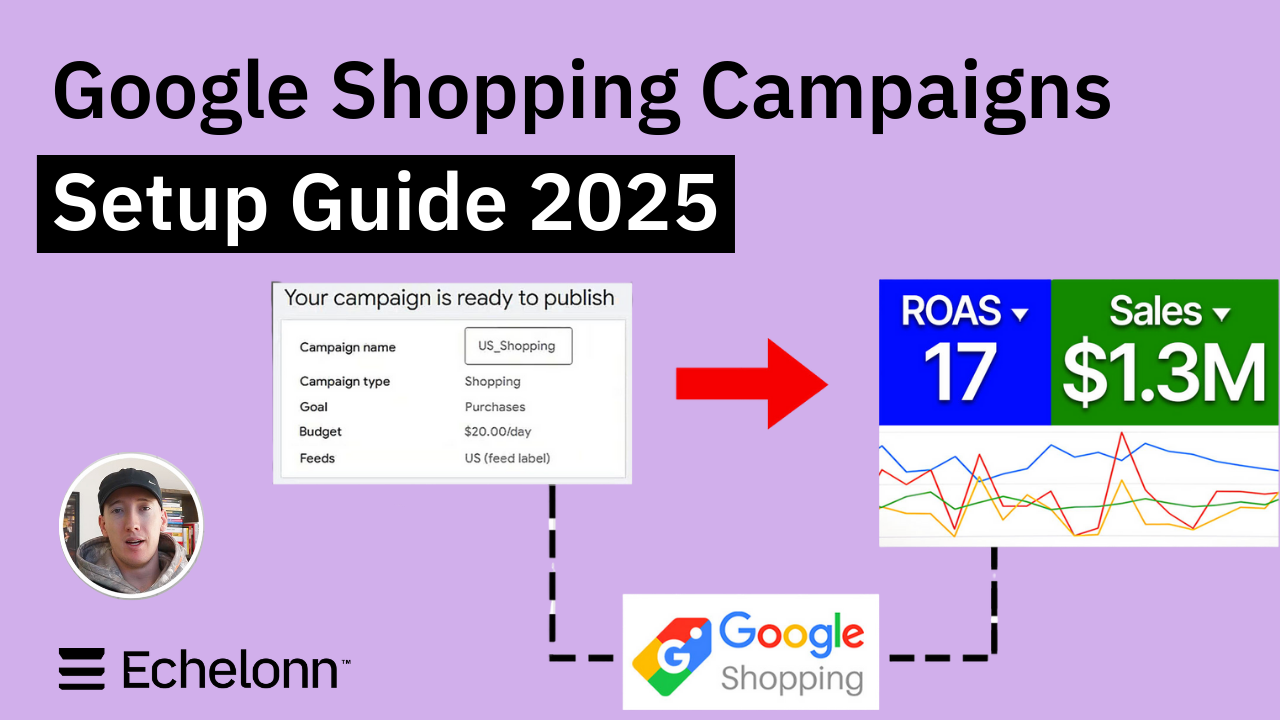
Google Shopping Campaigns Setup Guide 2025
Confessions of a Google Ads Auditor: The Worst Mistakes We See Inside eCom Accounts
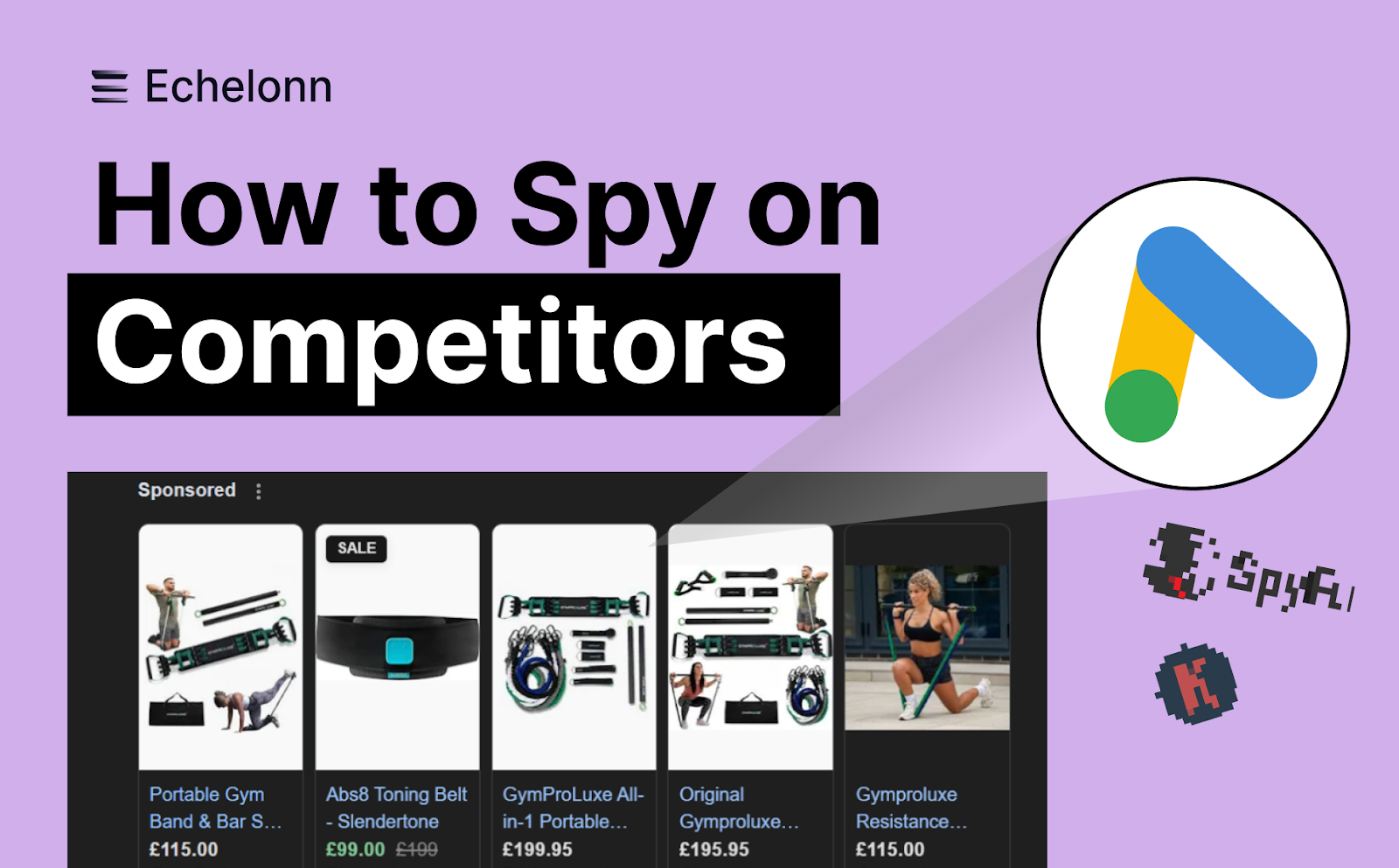
How to Spy on Competitor Google Ads: Complete 2025 Guide
%20(2).png)
7 Questions to Ask Before Hiring a Google Ads Consultant
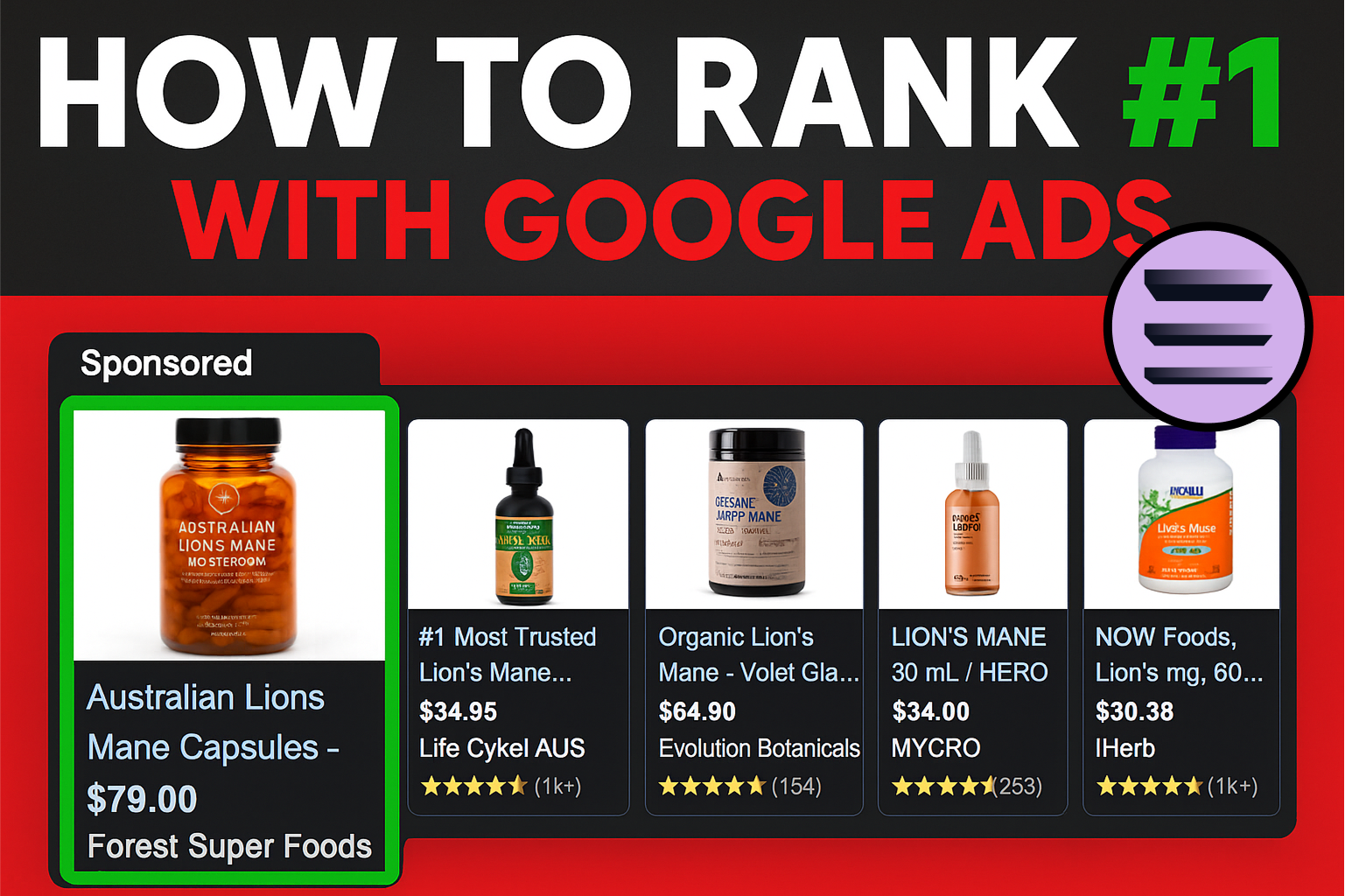
How to Rank #1 on Google Ads: Complete Shopping & Search Guide 2025
.png)
Learning Google Ads in 2025: The Roadmap Nobody Talks About
%20(1).png)
What Makes a Google Ads Specialist Worth $10,000/Month?

Why Cheap Google Ads Consulting Costs You $180,000+ in Lost Revenue
.png)
Why 99% of Google Ads Experts Fail (& How to Find One That Won’t)
.png)
5 Google Product Feed Fixes for eCom Growth
.png)
Google Ads Campaign Structure: Why 95% of Brands Waste Budget on Mixed Traffic

In-House vs Agency Google Ads: Which Delivers Better ROI in 2025?
.png)
How to Scale Google Ads With a Small Budget | Setup and Optimization

Google Shopping Optimization: 11 Proven Tactics for Maximum ROAS
%20(3).png)
eCom Growth Strategy: How We Scaled a Supplement Brand From $1.9M to $8.6M With Google Ads
%20(4).png)
Google Merchant Center Fix: How to Improve Rankings With Accurate Shipping Times

CTR Is Misunderstood by 95% of the PPC Industry (What to Optimise for Instead)
.png)
Google Ads AI | Manual vs Automated Campaign Performance

Complete YouTube Ads Guide 2025 | 3 Formats, 5 Principles, Proven Results
%20(2).png)
eCom Growth Strategy With Google Ads in 2025
.png)
Google Marketing Live 2025: 11 Key Takeaways for Marketers
%20(1).png)
YouTube Advertising Strategy: How to Drive Results Across Every Format
Google Shopping Feed Optimisation: Tips for Better Results

How Long Does it Take for Google Ads to Work?

Search Ad Strategies to Maximize Sales with Google ads for eCommerce (2024)

2025 Google Shopping Ads: Ultimate Guide, Benchmarks, and Pricing Breakdown

Maximizing ROI with Advanced Google Shopping Bid Strategies and Automated Bidding